
Map of Europe
Aarhus

Aarhus Urban Living Lab

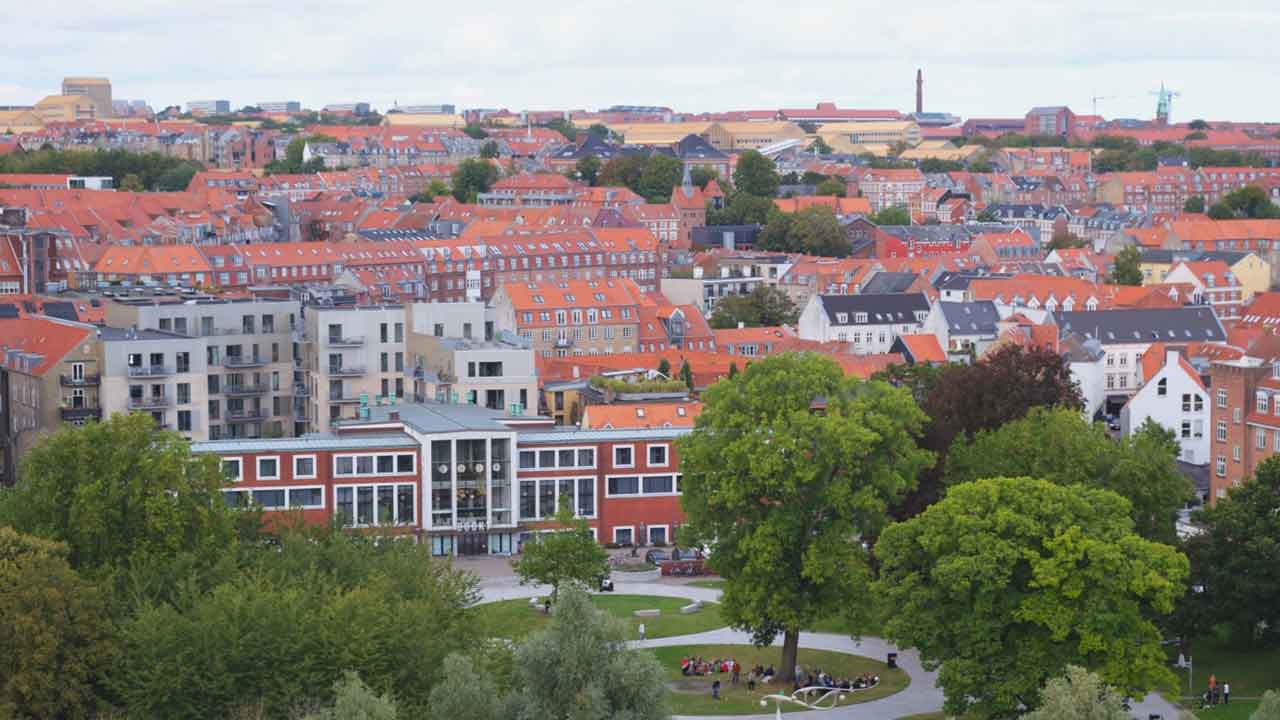
The Aarhus Urban Living Laboratory (ULL) investigates how trees can be more strategically integrated into urban development and serves as a research hub for generating new knowledge about the role of trees in urban transformations. The laboratory focuses particularly on mapping, data collection, and citizen engagement to qualify decision-making processes and strengthen the case for a more systematic and long-term approach to tree planting. In addition, the Aarhus ULL has a more technical role in the project, by providing data and new workflows to the urban simulation tools used by all project participants. Through detailed analyses, local dialogues, and experimental practices, the laboratory links tree planting to broader agendas of urban and landscape transformation - from small-scale urban interventions to major afforestation projects. Its work includes monitoring the impact of trees on the urban environment, including microclimate, soil conditions, and biodiversity, as well as close collaboration with Aarhus Municipality to develop new standards and tools for integrating trees into planning processes. Key activities include monitoring of air pollution in Aarhus city, mapping and identifying afforestation opportunities in the landscape surrounding the village of Spørring, and developing tree-planting strategies as part of the transformation of Løgten city centre. The overarching focus is to promote administrative practices that recognise trees as active, multifunctional infrastructures capable of supporting increased biodiversity, CO₂ reduction, social meeting places, and enhanced perceived urban and landscape quality.

Aarhus city view

Project Partners

Aarhus School of Architecture

Research

Aarhus School of Architecture (AARCH) contributes expertise in shaping emerging landscapes through urban and landscape architectural methods. AARCH connects the specific potentials, dilemmas, and qualities of local sites with broader strategic goals and long-term spatial visions. Within the UrbanElemenTree project, AARCH focuses on site analyses, landscape readings, and mapping, as well as scenario-based design approaches that help ensure trees are planted in the right places and contribute maximum value to ongoing urban and landscape transformations. AARCH operates across sectors and within the interface between municipal governance and civil society, fostering dialogue between public administrations and citizens. This cross-disciplinary position strengthens coherence and shared understanding of emerging landscapes and highlights how diverse actors can contribute to a sustainable transition.

Technical University of Denmark

Research

The team from DTU contributes their state-of-the-art methods on wind measurement and simulation around and near trees, as well as quality assurance of air quality measurement. When planting or removing trees in urban areas, several relevant workflows are adapted to take this into account. For urban planning, a visualization of how a tree would look in a specific context is useful. Such visualizations can be created based on high-detail scans of the environment. However, when assessing the trees’ physical effect on air quality, wind-risk or urban temperature, typically very different approaches are needed. To assess these effects, urban planners use models where the effect of the trees is represented through parameterizations. At DTU, we have studied how such parameterizations can be derived using the same technology as is currently used for visualization within architectural planning. Since expertise in this scanning technology is shared between several Urban ElemenTREE project partners, it is possible to implement their data into the parameterization work flow. DTU will support this development of realistic parameterizations of trees in urban areas into all partners’ flow models. In addition, DTU will provide experimental test cases, such that the models by all project participants can be tested against high quality data. Since trees strongly impact the wind flow, they will also impact how air pollution affects the local air quality. To complement air quality campaigns by other partners, DTU contributes with test cases for air quality measurement in the Aarhus ULL.

Researchers Involved

Ebba Dellwik

Ebba Dellwik

Ebba Dellwik

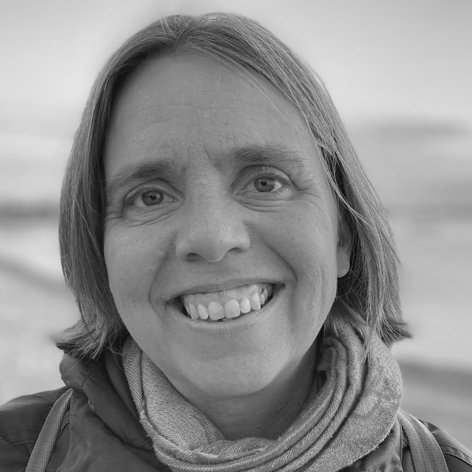
Senior scientist and an experienced experimental wind scientist who served as PI of the “Single Tree Experiment” on wind–tree interaction. Her work established new standards for realism in measuring how individual trees modify wind fields, documented in a series of key publications. She leads DTU’s contribution to wind-load observations, measurement campaigns and method development for tree–wind interaction.

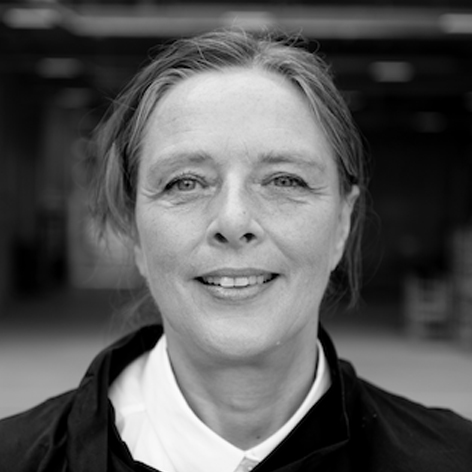
Lotte M. Bjerregaard Jensen,

Lotte M. Bjerregaard Jensen,

Aarhus School of Architecture

Professor MSO in Sustainable Architecture, has long experience combining research and leadership roles, including 19 years at DTU researching scientifically informed design processes. Her current work at AAA and the Aarhus Centre for Regenerative Buildings focuses on regenerative relationships between built and naturally grown environments. She builds on her scientific and managerial expertise to advance stakeholder-based dissemination and planning-relevant knowledge.