
Urban Living Labs
Five cities. Five conditions. One shared mission: understanding and improving how trees grow, function and contribute to healthier European cities.
Explore the Labs
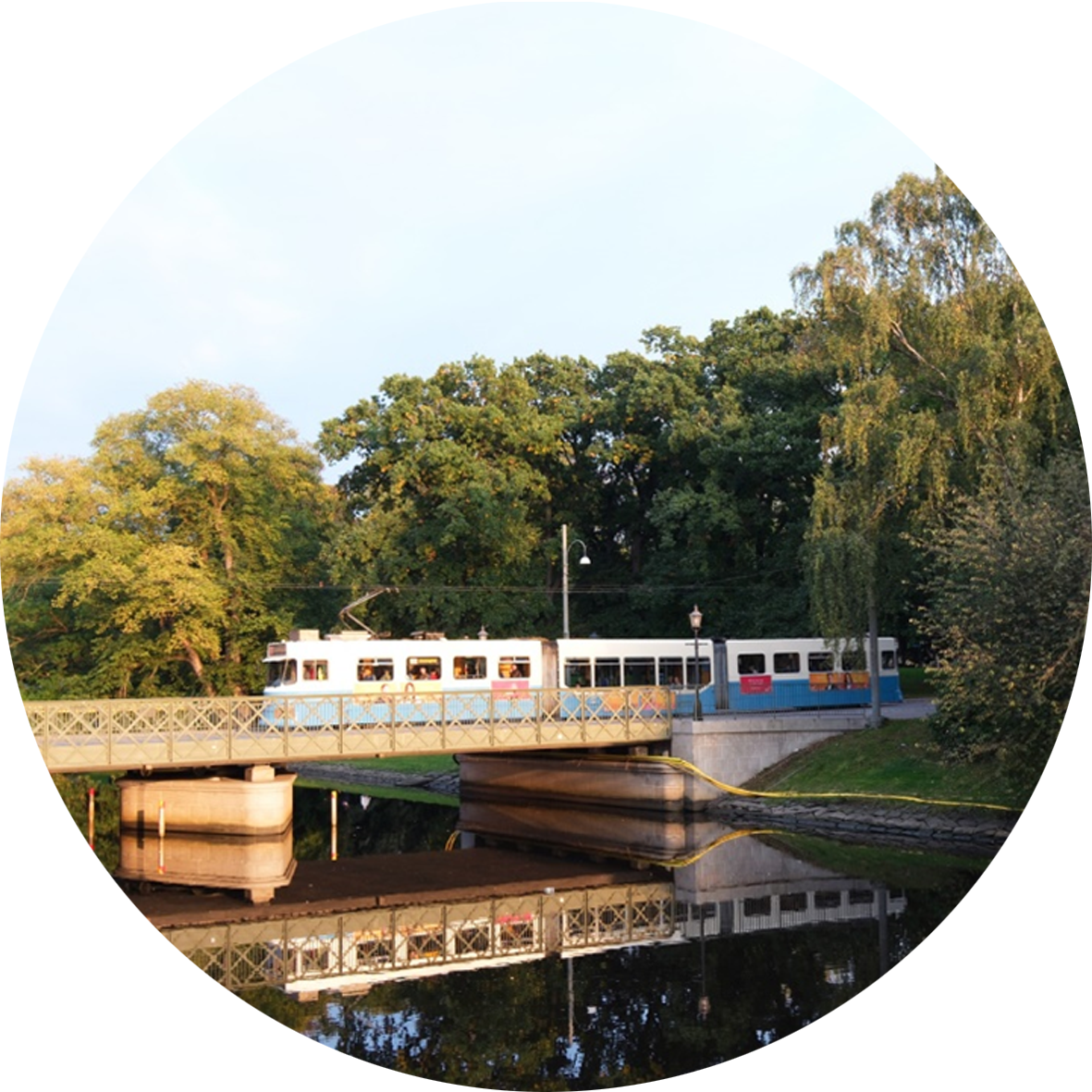
Gothenburg Urban Living Lab
ULL is committed to approaching a more holistic method for urban greenery planning and maintenance supported by digital tools and platforms. As wind is a major threat to urban trees in ULL Gothenburg focus is put on appropriate tree species selection and wind risk evaluation including the analysis of tree health and biochemistry. The core activities of ULL Gothenburg are to tackle the lack of detailed investigation of the effect wind has on trees and vice versa. It will build on the previous works to simulate environmental processes and flows in the urban built environment, providing assistance to decision-making, and will go deeper into the individual tree-environment interaction through high-fidelity simulations ULL Gothenburg will support pollution monitoring campaigns with site simulations and experience from previous site studies.
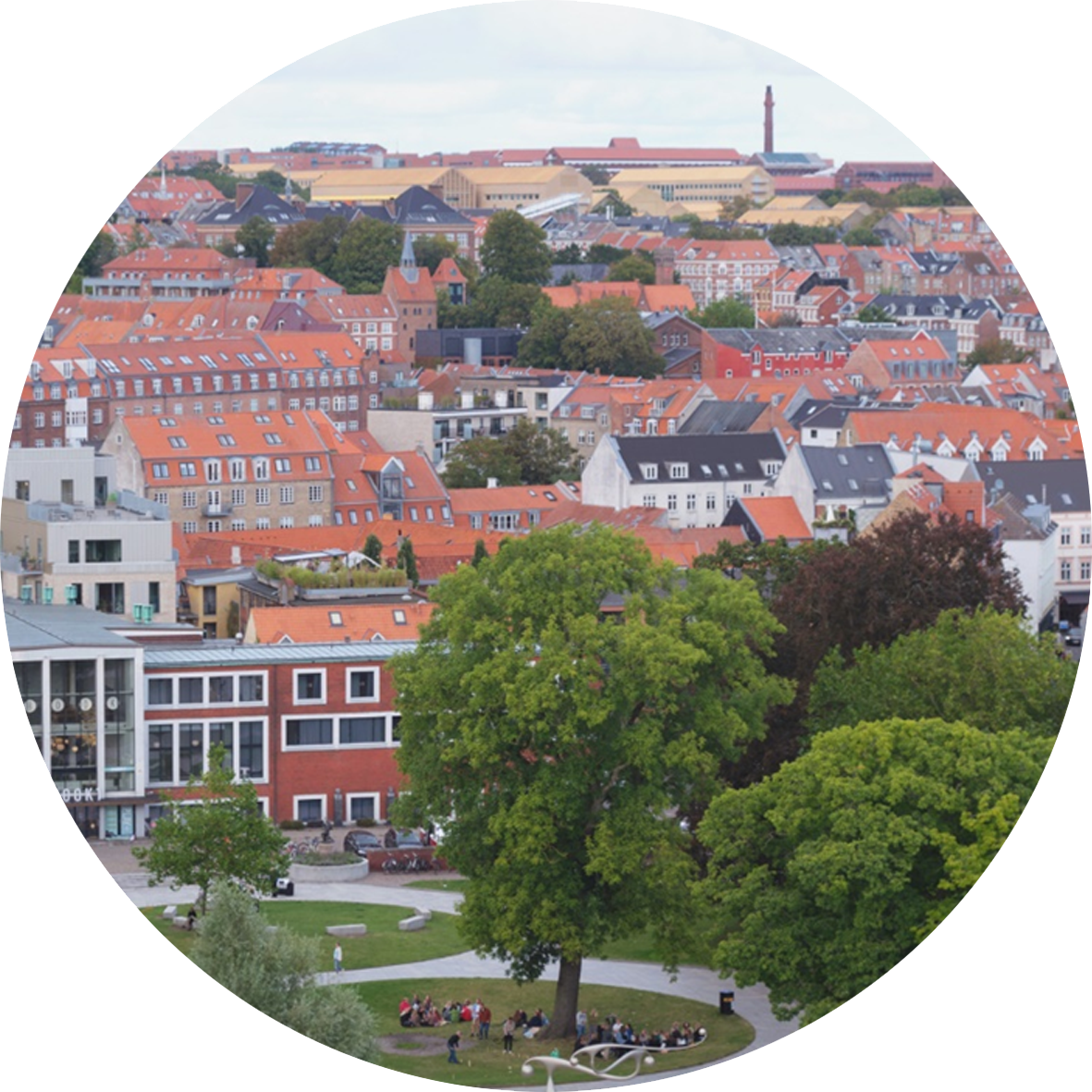
Aarhus Urban Living Lab
ULL is committed to developing transferable planning methods supporting climate neutrality, particularly through the afforestation of vulnerable urban and peri- urban areas. The new ambitious tree planting schemes need to address the issues of the challenging wind environment and the impacts of extreme weather events. ULL Aarhus will also address the wind-tree interaction, but largely through an experimental approach and innovative measurement methods to capture wind-tree-air pollution interaction. It will also become a centre for cross-comparing low-cost air quality sensor systems. Finally, ULL Aarhus will become a starting point to establish the network of ULLs and will lead the piloting and demonstration of the horizontal communication, the transfer of new knowledge, and the case-to-case data-driven approach put into practice.
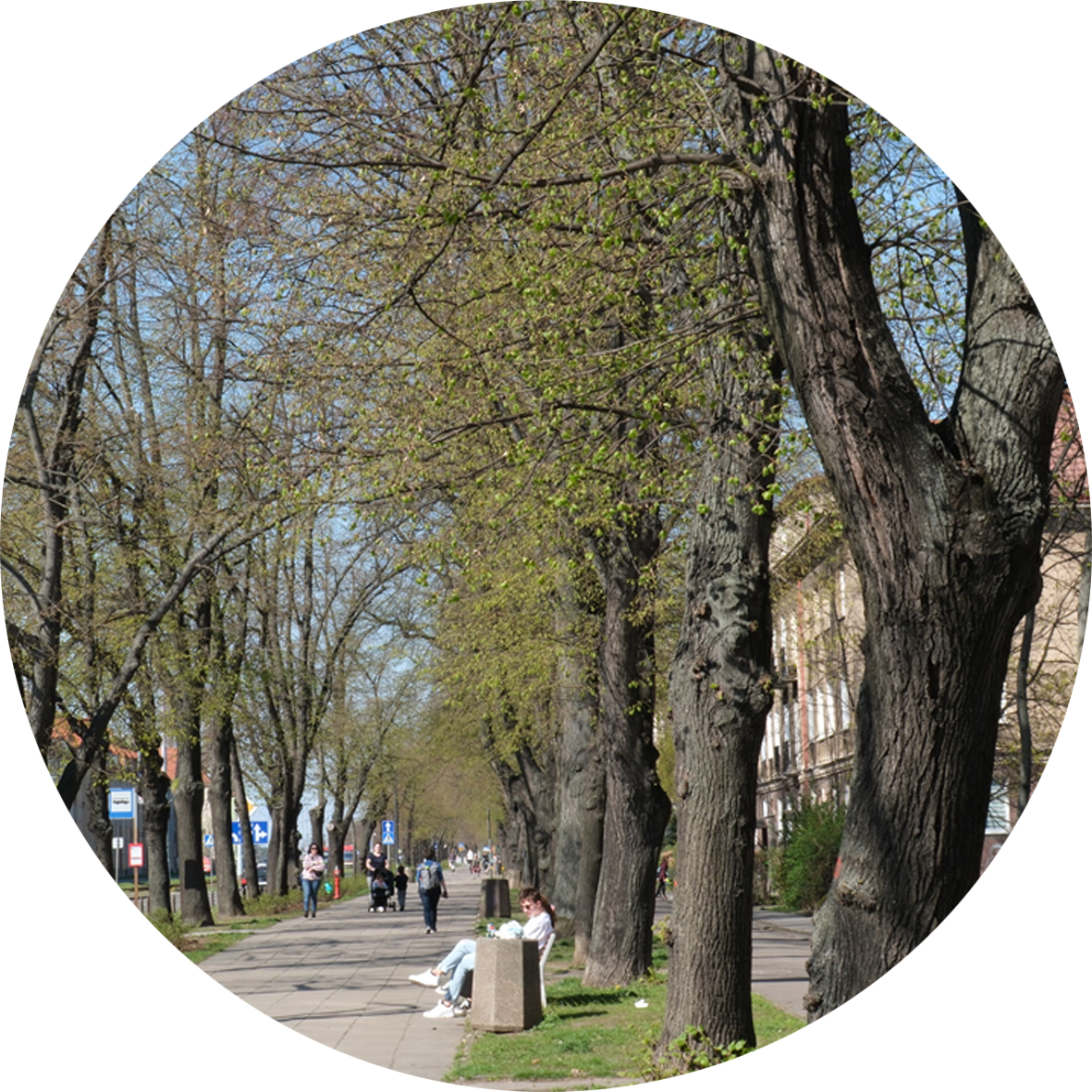
Gdańsk Urban Living Lab
ULL will address the newly developed green policy, which sets ambitious goals of increasing green cover and creating new ecological connections. The urgent areas for improvement include the lack of comprehensive spatial data describing green infrastructure, leading to improper maintenance and tree deterioration. ULL Gdańsk will pilot the implementation of multidisciplinary monitoring approaches to capture the tree physico-chemical composition and physiology parameters and the impacts of air and light pollution, including experimentation with emerging UAV-based techniques. It will also be committed to the development of workflows for processing and integrating data acquired in all ULLs. Finally, ULL Gdańsk will orchestrate the co-creative development of digital platforms for urban greenery management.
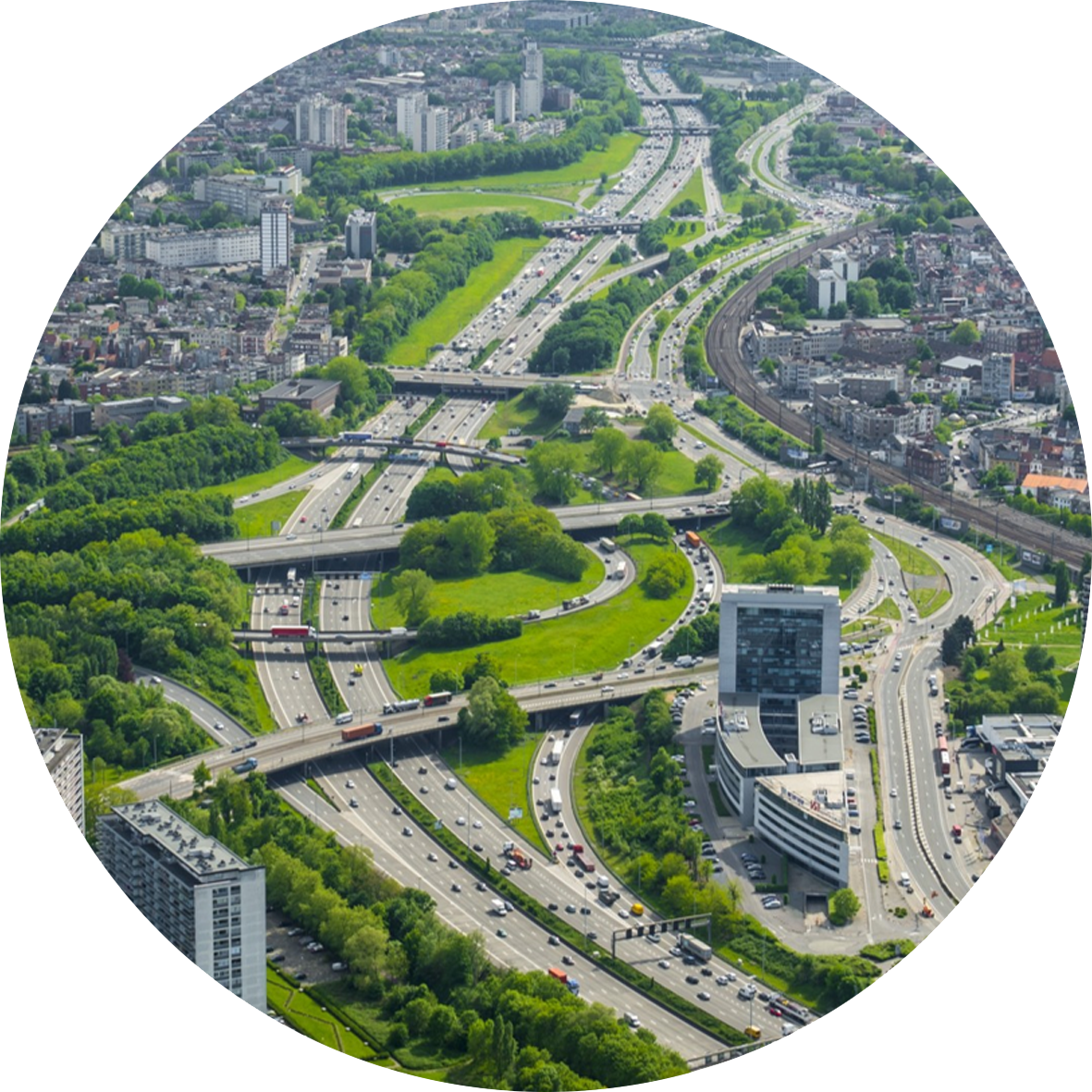
Antwerp Urban Living Lab
ULL is committed to creating a variety of digital tools for urban planning but needs to address their shortcomings in supporting urban green management. The particular problem areas to address are air pollution in public areas and neighbourhoods and the lack of insights into the development of city- wide breezeways and green corridors. Thus, ULL Antwerp activities will include low-cost monitoring of air pollution, including citizen science involvement, and simulations for the wind field, air quality, and heat. It will also be actively involved in the improvement of the existing tools for urban greenery planning, including its consideration in the emerging urban digital twins. Finally, ULL Antwerp will coordinate landscape and spatial analysis and will support the integration of new evidence through the comprehensive parameterization of the urban environment.

Florence Urban Living Lab
UUL is committed to the development of green infrastructure for better adaptation to climate change, including urban heat islands and the extreme weather events. However, this is a very challenging task, especially due to the historic heritage in the city centre areas and also the shrinking amount of greenery in the recent designs of public spaces. ULL Florence will orchestrate the digital survey activities to capture the morphological conditions of urban areas and greenery systems, using established tools and emerging methods such as the UAV- and street view-based acquisition, to create tree representations to be used in 3D models, estimations and environmental simulations. ULL Florence will initiate the correlation of tree parameters and responses to environmental conditions, including heat stresses, from digital tree inventories.